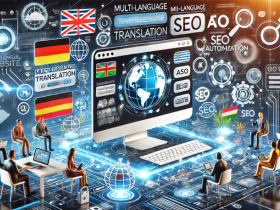


Building a website that effectively serves international audiences requires more than simply translating content into multiple languages. True multilingual website development addresses technical architecture, cultural adaptation, user experience, and search engine optimization simultaneously. For foreign trade enterprises, getting multilingual development right is the foundation of successful international digital marketing.

Why Multilingual Development Is Complex
Many businesses underestimate the complexity of multilingual websites. Translation is just one component. Effective multilingual development requires careful consideration of URL structure, character encoding, right-to-left language support, local payment methods, regional legal requirements, and culturally appropriate design — all while maintaining performance and SEO effectiveness.
Key Technical Challenges
URL Structure & Hreflang Implementation
Choosing the right URL structure — subdirectories (/en/, /zh/), subdomains (en.example.com), or country-code top-level domains (example.co.uk) — has significant implications for SEO and user experience. Correct hreflang tag implementation ensures search engines serve the right language version to users in each market.
Character Encoding & Typography
Different languages have different character sets, font requirements, and typographic conventions. Chinese, Arabic, Japanese, and other non-Latin scripts require specific technical handling to display correctly across all devices and browsers.
Content Management Workflow
Managing content updates across multiple language versions requires a robust CMS workflow that ensures consistency and prevents outdated translations from remaining live.
Performance Optimization
Multilingual websites must load quickly for users in all target markets. This requires CDN configuration, regional server optimization, and careful asset management.
Localization vs Translation
Beyond Word-for-Word Translation
Effective multilingual marketing requires localization — adapting content for cultural context, not just linguistic accuracy. This includes adjusting examples, references, humor, and calls-to-action for each market.
Local SEO Optimization
Each language version requires independent SEO optimization with market-specific keyword research, local backlink building, and regional search engine considerations.
Best Practices for Multilingual Development
Use a professional CMS with multilingual support, implement hreflang correctly, prioritize mobile performance in all markets, conduct user testing with native speakers, and establish a regular translation update workflow.
Build Your Global Website with CIDIFY
CIDIFY's multilingual development expertise spans major languages and international markets. Visit www.cidify.com to discuss your multilingual website project.